
Category: Saving & Banking
-

Bilt repaid $264,792.71 in overdraft and late fees to more than 2,000 customers
Bilt has repaid $264,792.71 in overdraft, late and insufficient-funds fees to more than 2,000 customers. The Consumer Financial Protection Bureau says that total stood at $264,792.71 as of September 10, 2026, and that it told Bilt on September 21 it considers the matter closed. The fees came from a bank-partner change at the company. When…
-

Treasury still urges federal benefit recipients paid by check to switch to direct deposit
Paper checks are no longer the normal way the federal government pays people. Treasury’s Bureau of the Fiscal Service says the government stopped issuing paper checks for most federal payments starting September 30, 2025, and its public notice still tells anyone who gets a check to switch to electronic payment. The Fiscal Service runs the…
-

Social Security asks SSI applicants for permission to pull their bank records electronically, and will not approve an application without it
Anyone who applies for Supplemental Security Income has to let Social Security look at their bank accounts, and the agency treats a refusal as a reason the applicant cannot be paid. The permission is a condition of the program, written into Social Security’s rules, and the agency checks balances through an automated process it calls…
-

Synovus accounts and branches convert to Pinnacle in the first half of 2027
Synovus accounts and branches are due to convert to Pinnacle in the first half of 2027, according to the bank’s merger questions-and-answers page. Pinnacle says it expects system conversions in that window, “likely around the beginning of the second quarter,” and that Synovus offices will be rebranded as Pinnacle at the same time. No exact…
-

American Express Business Platinum cardholders will earn double points on U.S. shipping only with UPS, FedEx, USPS and a few named carriers from February 17
Starting February 17, 2027, American Express Business Platinum cardholders will earn double points on U.S. shipping only when they buy directly from a short list of named providers. The list covers UPS, FedEx, the United States Postal Service and four others. Shipping bought from anyone else would fall outside the bonus. Doctor of Credit, which…
-
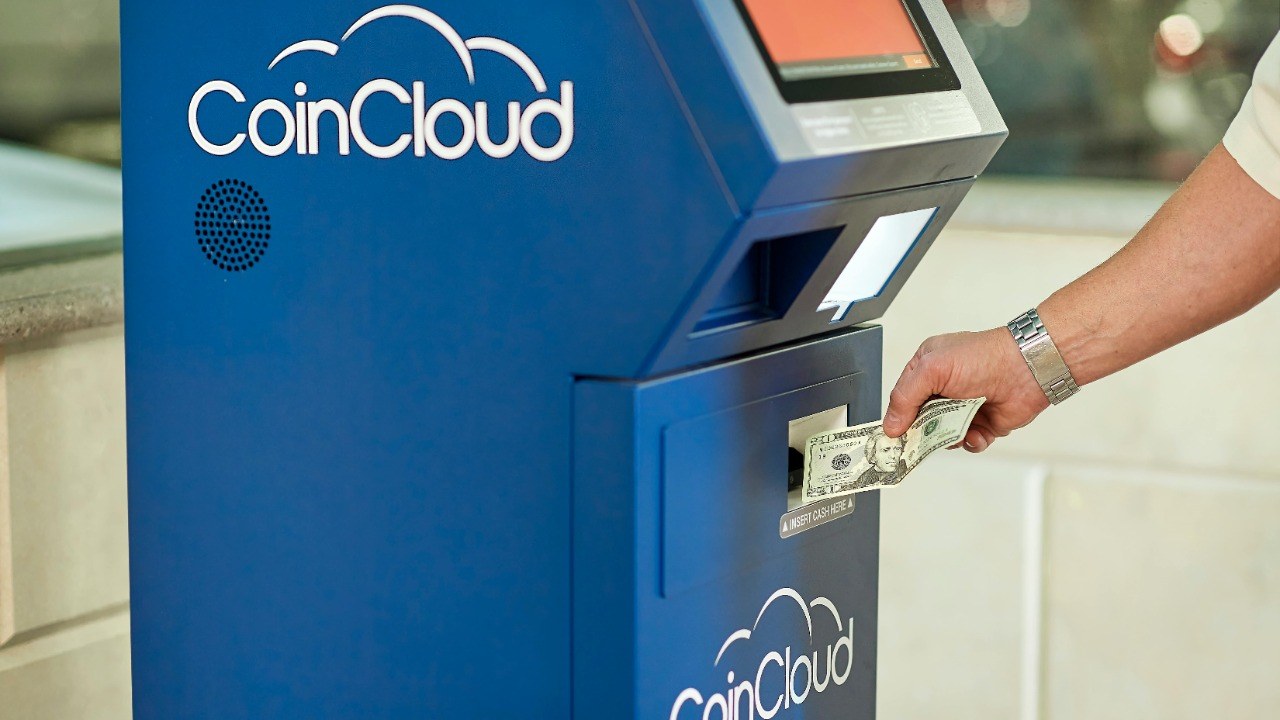
North Carolina crypto kiosks must cap new customers at $2,000 a day from January 1, and scam victims who report within 30 days can get refunds
No one in their first 30 days at a North Carolina crypto kiosk will be able to put in more than $2,000 in a single day once a new state law starts on January 1, 2027. People with a longer history at the machines get a $5,000 daily ceiling. The same law gives a defrauded…
-

The IRS says CP53E refunds can go to prepaid cards or payment apps
A federal refund does not have to land in a checking account at a bank. For people who do not have one, the IRS says another route exists: pre-paid debit cards and mobile payment applications. The agency’s page on the CP53E notice sends readers to its ModernPayments page for those options. A CP53E is the…
-
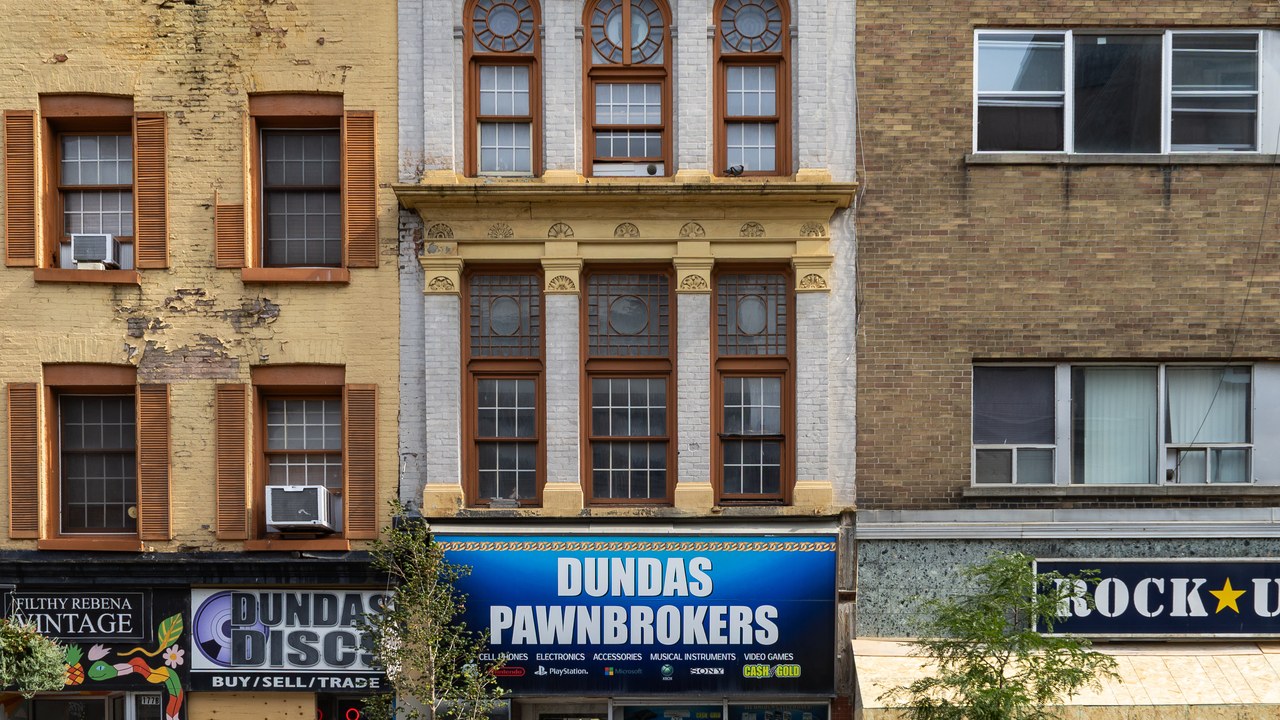
Eligible military borrowers of FirstCash pawn loans will get CFPB redress checks without filing claims
Servicemembers and family members who are eligible for redress in the Consumer Financial Protection Bureau’s Military Lending Act case against FirstCash will receive checks without filing a claim. The settlement administrator says that anyone who does nothing will be sent a payment by paper check in the mail. The one time limit in the process…
-

Trump’s housing order tells regulators to consider cutting or scrapping Fannie Mae and Freddie Mac loan-level fees on some refinances, though no cut has been set
A presidential order signed October 22, 2026 puts fees on some home refinances up for review, but it does not cut a single one. The order, titled Decreasing Housing Costs for the American People, says the director of the Federal Housing Finance Agency “shall consider” reducing or eliminating loan-level price adjustments and other fees that…
-

Trump’s consumer bureau has posted no new enforcement case since August 2025
The Consumer Financial Protection Bureau, now run under the Trump administration, has not added a new enforcement case to its public list since August 2025. The newest entry on the bureau’s enforcement actions page is Synapse Financial Technologies, filed August 21, 2025, and nothing on the list is dated later. Before Synapse, the previous entry…