
Category: Paychecks & Work
-

Federal law enforcement officers would be the only civilian group with a January raise under the pay plan Trump sent Congress
Federal law enforcement personnel are the only civilian workers the White House wants to give a raise in January 2027. The pay plan President Trump sent Congress on August 26 freezes everyone else’s base and locality pay, then directs a 3.8 percent increase for law enforcement. The plan does not yet say which jobs fall…
-

Most federal civilian employees would get no raise in January under the alternative pay plan Trump sent Congress, which exempts law enforcement
Most civilian federal employees would see no change in base pay or locality pay when January 2027 arrives. President Trump’s alternative pay plan, a letter to Congress dated August 26, sets the 2027 adjustment for those workers at zero. Federal law enforcement personnel are the one group the plan treats differently. For a federal worker,…
-

West Virginia counts about 33,000 Medicaid recipients who do not meet the 80-hour work or volunteer rule starting January 1, with 119,000 excluded
West Virginia’s Department of Human Services says about 33,000 Medicaid recipients do not currently meet the state’s new 80-hour work or volunteer rule, and about 119,000 more are automatically excluded from it. The rule starts January 1, 2027. The two counts describe different groups, and the line between them decides who has to start proving…
-

About 700,000 Illinois adults on expansion Medicaid face an 80-hour monthly work rule, and current enrollees could start losing coverage in 2027
About 700,000 Illinois adults who joined Medicaid through the Affordable Care Act expansion will have to show 80 hours a month of work, volunteering or school to keep their coverage. The Illinois Department of Healthcare and Family Services, known as HFS, began mailing notices to the group in early September. Current enrollees could start losing…
-

Food stamp recipients aged 18 to 64 must log 80 hours a month or lose benefits after three months, and USDA’s page lists seven ways to be excused
A food stamp recipient who is able to work and has no dependents can collect benefits for only three months in any 36-month stretch unless the person logs 80 hours a month of work or work activity. Congress widened the rule in 2025, and it now reaches adults from 18 through 64. USDA’s work-requirements page…
-

Initial jobless claims fell to 194,000 in the week ending October 17
Fewer Americans filed for first-time unemployment benefits last week. The Labor Department reported on October 22, 2026 that seasonally adjusted initial jobless claims fell to 194,000 in the week ending October 17, down 6,000 from the week before. Low claims point to a labor market where layoffs are still rare, but they do not describe…
-

UPS plans to hire more than 100,000 seasonal workers for the holiday peak
UPS is looking for more than 100,000 seasonal workers to staff its holiday rush. The company announced the hiring push on October 7, 2026, and said the jobs are open in hundreds of locations across the country. For a retiree weighing a few months of paid work, the trade-off is simple: extra pay now, and…
-
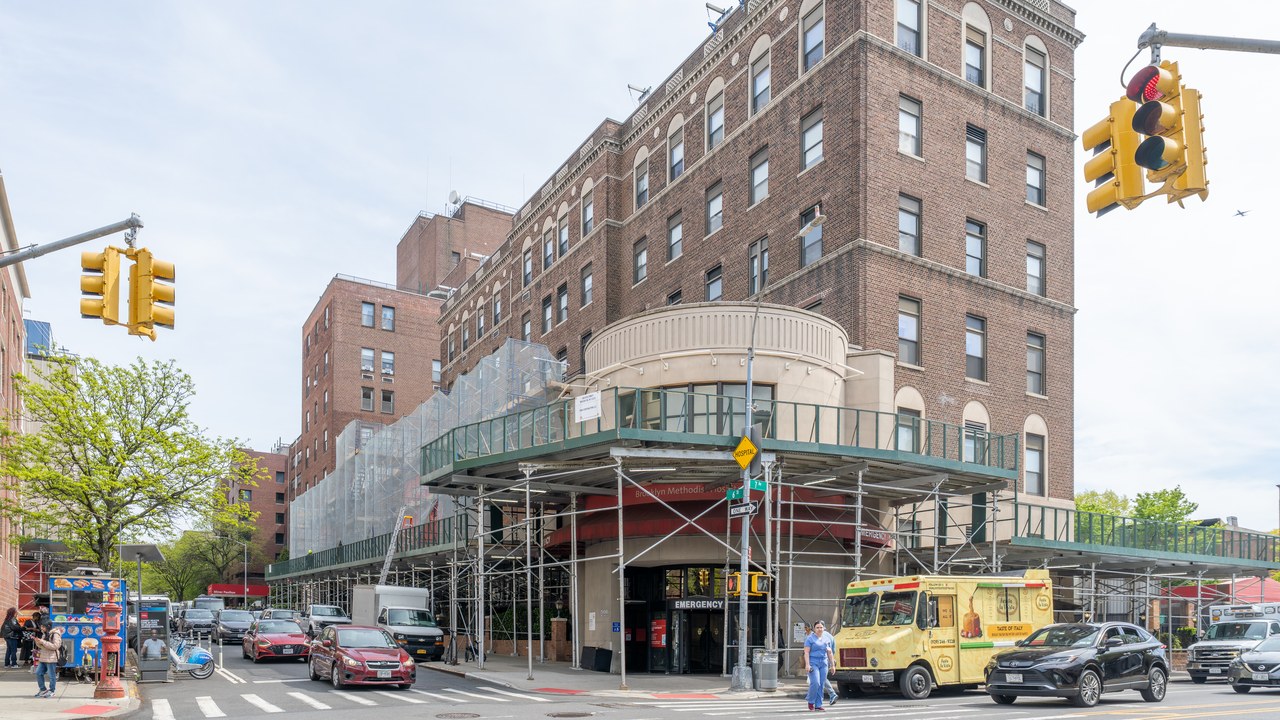
Thirteen Bushwick doorpersons will share $219,000 of a $419,000 back-pay recovery at a 421-a tax-break building
Thirteen doorpersons at a Bushwick apartment building will share $219,000 in unpaid prevailing wages and benefits, part of a $419,000 recovery announced on October 22, 2026 by New York City Comptroller Mark Levine. The building at 960 Willoughby Avenue receives a 15-year tax exemption under the city’s 421-a housing program. That exemption comes with a…
-

California recovered about $1,988,000 for 136 workers unpaid when Capital Mailing Services closed
It took ten years, a trial, an appeal and a fraud case, but California says 136 people who lost their jobs and final paychecks when a West Sacramento printing company shut down are finally getting paid. The state Labor Commissioner’s Office announced on October 16, 2026 that it has recovered about $1,988,000 for former workers…
-

About 500 D.C. construction workers misclassified as contractors will share $691,450 from Welch Mechanical under a settlement worth up to $1.7 million
The District’s attorney general has settled with a mechanical contractor over claims that it treated construction workers as independent contractors. W.G./Welch Mechanical Contractors, LLC agreed to pay up to $1,706,450, and about 500 workers will share $691,450 of that money. Attorney General Brian Schwalb announced the deal on October 13, 2026. For anyone who swung…